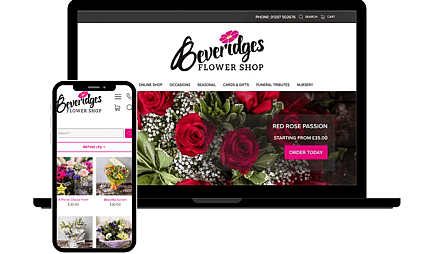
When you start selling a product online, third-party marketplaces like eBay, Etsy, or Amazon are brilliant for getting off the ground. They provide a ready-made platform and an established stream of visitors. However, as your sales volume grows, the financial dynamics of these platforms shift dramatically.
Many business owners view building a dedicated e-commerce website as a significant, secondary expense. But when you look closely at the recurring costs of third-party platforms, independent ownership frequently becomes the more financially sound decision.
The Cupcake Analogy
To understand why this shift happens, it helps to step away from digital terminology and look at a traditional retail scenario.
Imagine you bake exceptional cupcakes. To sell them, you set up a table inside a busy indoor weekend market. The layout works brilliantly because hundreds of people walk through those doors every single Saturday.
However, the market organiser has a strict rule: every single time a customer buys a £2 cupcake from you, the organiser takes 30p of your money.
When you are only selling ten cupcakes a week, handing over £3 feels completely fine. The footfall justifies the expense. But as your reputation grows, you begin selling one thousand cupcakes a week. Suddenly, you look at your figures and realise you are handing over £300 every single week to the market organiser just for the right to stand there.
Eventually, you look across the high street and notice an empty shop unit available for rent. The landlord explains that the rent is a flat, predictable £100 a month. They do not care whether you sell ten cupcakes or ten thousand cupcakes; they will never take a percentage of your sales. The flat fee remains identical.
Moving into that shop requires an upfront cost to paint the sign, install counters, and set up the till. However, once those doors open, every penny from your cupcake sales stays inside your business. The savings on transaction percentages quickly cover the initial setup layout.
The Digital Reality
This scenario represents the exact transition many online retailers face. Platforms like eBay act as the indoor market. They host your products, but they charge significant final value fees—frequently between 10% and 15% of the total transaction value, including what you charge for postage.
Operating your own independent website via a platform like Rocketspark changes the financial model to the independent high street shop:
Fixed Monthly Hosting: You pay a predictable, flat monthly subscription to keep your website live. This fee does not increase when your sales increase.
Minimal Transaction Fees: Payment gateways like Stripe do not charge marketplace commissions. They charge a tiny, standard percentage (typically 1.4% + 20p for standard UK cards) simply to securely transfer the money from your customer’s bank account to yours.
Choosing the Right Tool for Your Volume
It is worth noting that e-commerce infrastructure is not one-size-fits-all. While Rocketspark is a fantastic, user-friendly, and highly cost-effective home for the vast majority of small-to-medium independent shops, it might not be the right fit if you are operating at an enterprise scale with exceptionally huge sales volumes or massive, complex inventories.
If you are shifting high quantities of stock every day, you might require a heavy-duty, high-volume engine like BigCommerce to properly manage your data and traffic.
Every business hits its tipping point at a different stage. It is well worth getting in touch to discuss your specific operational needs before making a decision. We can look at your monthly transactions, audit your goals, and give you honest, practical advice on whether a streamlined platform or a robust BigCommerce setup is the right engine to fuel your growth.
Calculating the Tipping Point
A client of mine recently went through this exact calculation. She was running a successful e-commerce operation via eBay but felt her profit margins were constantly under pressure. When we sat down and looked at the total volume of fees she was handing over each month, the numbers were clear.
The cost of flat website hosting combined with low transaction processing fees was significantly lower than the standard percentage-based fees she was paying to eBay. Even after factoring in the initial investment required to build a professional, bespoke website, the return on investment was immediate. The project was not a speculative marketing expense; it was a structural cost-saving measure.
Building a Long-Term Asset
Beyond the direct financial savings, moving away from a total reliance on third-party marketplaces provides several critical business advantages:
Customer Ownership: When someone buys from a marketplace, they are their customer, not yours. Your own website allows you to build a direct relationship, capture email addresses legally, and build repeat business.
Brand Authority: A dedicated website demonstrates stability and professionalism. It shows your audience that you are an established business.
Platform Security: Marketplaces can alter their algorithms, fee structures, or seller terms overnight. Operating your own website protects your business infrastructure from sudden, external policy changes.
If your business is currently processing consistent sales on third-party platforms, it is worth auditing your monthly invoices. Look at the total amount you are paying in seller fees. You may find that you have already passed the tipping point where owning your own digital property is far more profitable than renting space on someone else's platform.
Want to run the numbers and unlock our exclusive platform tips?
Download our free printable resource guide below, The Market Stall vs. Your Own Shop.
Inside the printable guide, we share exclusive bonus tips on how to stop losing money on third-party postage fees, how to safely navigate coupon and promotional freedom, and a step-by-step cost-comparison checklist to find your business's true financial tipping point.
Unsure which platform matches your current sales volume? Get in touch with us today to discuss your goals, and we will advise whether a streamlined setup or an enterprise BigCommerce site is right for you.

